ServicesHome Window Tinting
Home Window Tinting in Friendswood
We install residential window film that cuts solar heat, glare and UV without darkening your rooms more than you want. Every film is matched to your actual glass, whether single-pane, dual-pane or low-E, so the result performs and the windows stay safe.
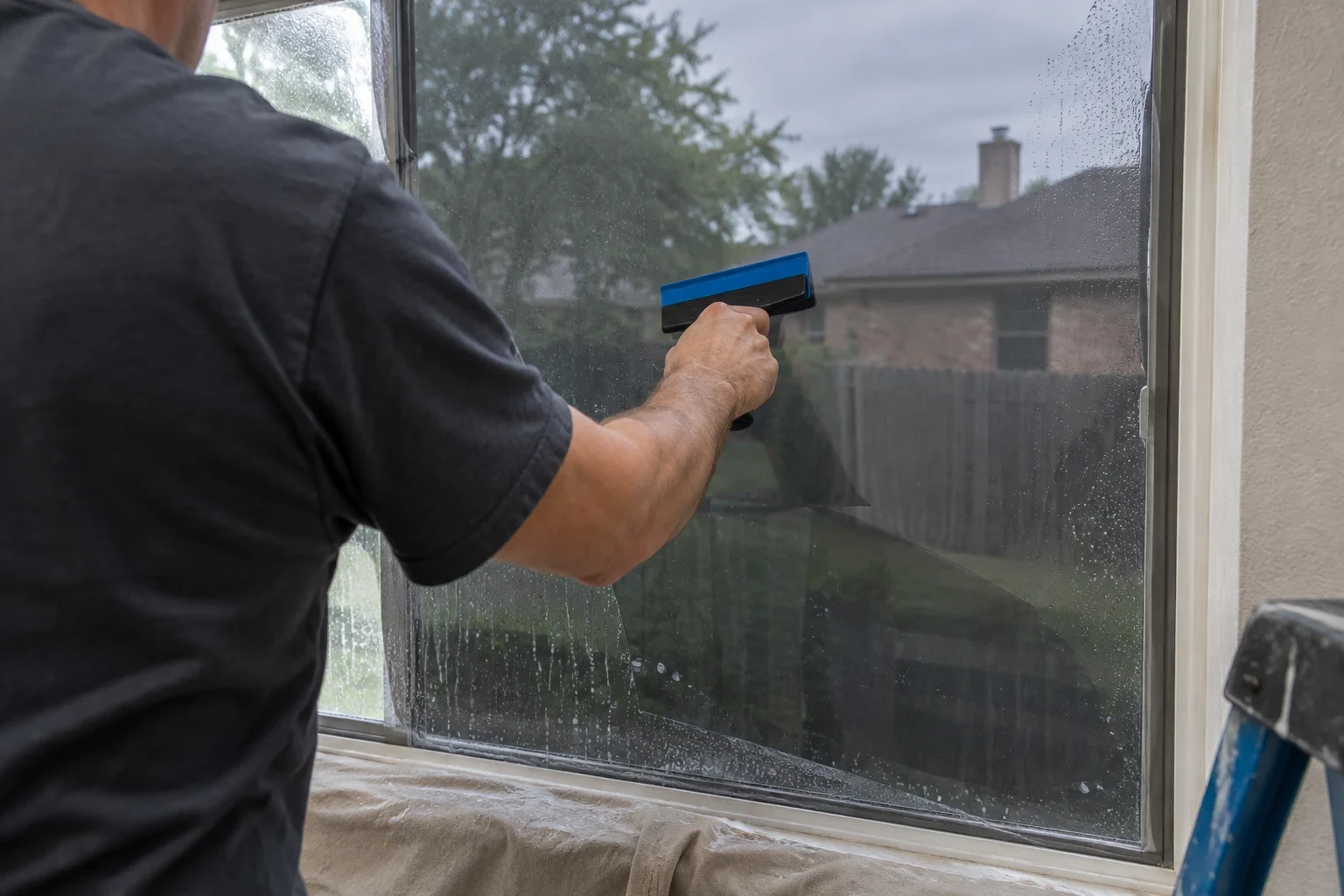
What residential window film does, and when it makes sense
Residential window film is a multilayer polyester sheet, only a few mils thick, bonded to the room side of the pane. Based on how it is built, it soaks up or bounces back part of the infrared and visible light striking the glass, and it stops more than 99 percent of UV. Two numbers matter most: visible light transmission (VLT), which describes how dark the film appears, and total solar energy rejected (TSER), which describes how much heat it keeps out.
Tint earns its place when one room runs warmer than the others, when late-day glare blanks out a TV or monitor, or when floors, rugs and upholstery by a window start to fade. In Friendswood, glass facing west and south soaks up the long summer sun from late morning into evening, so those rooms tend to see the biggest gain. Film will not repair broken window seals, rotted frames or air leaks, and if we spot those, we say so.
Our 8 years in business and 16,412+ commercial tint jobs completed give us a deep working knowledge of how films behave on different glass. In your house, that turns into a film choice we can justify window by window instead of a guess.
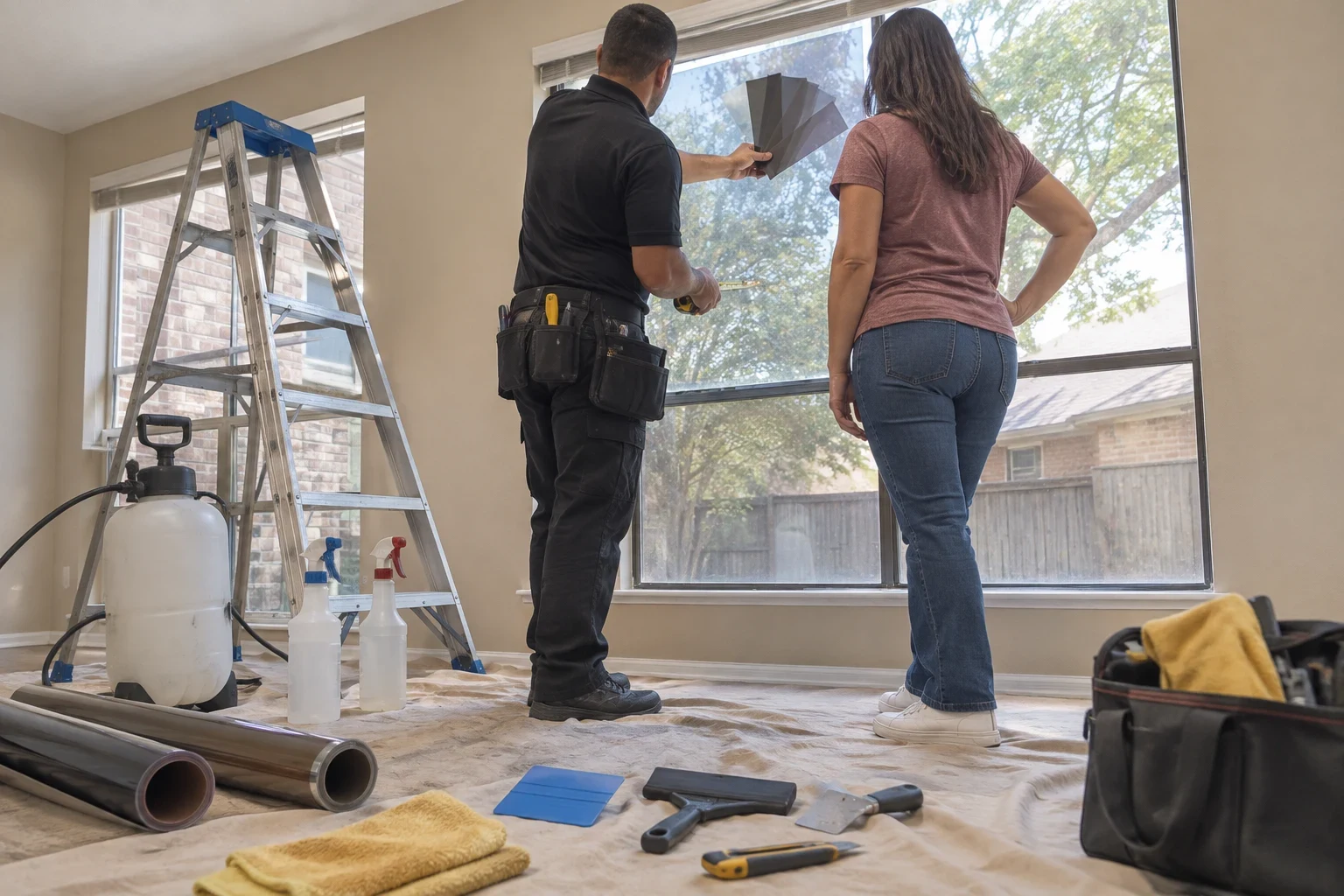
What a home tinting job includes
- 01
Identifying the glass first
Before we recommend anything, we work out whether each window is single or dual pane, clear or low-E, tempered or annealed. Certain dark or high-absorption films can heat a sealed unit enough to stress it, so this check rules those out for your windows.
- 02
Side-by-side samples with the specs
You see ceramic, spectrally selective and lighter films next to each other, each labeled with its VLT and TSER. Judging them on your own panes, in your own room light, beats guessing from a brochure.
- 03
Careful glass prep
We scrape and wash every pane to lift paint flecks, hard-water film and dust, then wipe down the gaskets and edges. Any speck left behind turns into a bump under the film, which is why prep often outlasts the install.
- 04
Wet application and tidy trim
The film floats on a slip solution, gets squeegeed flat to the edges and is cut leaving a narrow, even margin around the frame. That small margin gives the film room as the glass swells in summer heat and shrinks in cooler months.
- 05
Protecting the room and cleaning up
Drop cloths go down, anything close to the windows gets moved, and it all goes back in place when we are done. We haul away the scrap film, liners and towels.
Questions about Home Window Tinting?
Call(281) 549-2845Signs your home is ready for window film
A room that never cools down
When a bedroom or den sits several degrees above what the thermostat reads, sun pouring through the glass is a common culprit. Film stops much of that heat at the pane so the AC is not fighting it all afternoon.
Glare on screens and in your eyes
Low afternoon sun reflecting off a TV or laptop is a visible-light issue. A film with a moderate VLT tones down the harsh light and keeps your view.
Faded floors and fabrics
Bleached spots on hardwood or a washed-out sofa arm come mainly from UV, with visible light and heat adding to it. Film shuts out nearly all the UV and slows the rest.
Shades drawn from morning to night
Keeping blinds closed to stay cool means trading away daylight. With film on the glass, you can open them back up. For rooms that face the street, our privacy window tinting page explains films that screen views during the day.
Summer cooling bills on the rise
Windows usually let in more heat than any other part of an exterior wall. Cutting that heat gain is a direct route to energy savings without the cost of new windows.
How the visit and install day run
- 1
Free consultation by phone
Describe the rooms that bother you and what is wrong in each. We will ask which way the windows face, what glass you have if you know, and whether an HOA limits exterior changes.
- 2
Measuring and samples at your house
We measure every pane, verify the glass and test samples against your windows. You receive a written estimate itemized by window and by film.
- 3
Install day
Window count and access set the length: a handful of rooms may wrap up by lunch, while a whole house can run until late afternoon. All the work happens inside, one room at a time, so you can keep using the rest of your home.
- 4
Curing and aftercare
Light haze or tiny water pockets are expected for a few weeks as trapped moisture works out through the film, and humid weather slows that down. Leave the windows shut and unwashed for about 30 days, then clean them gently with an ammonia-free product.
What sets the price of home window tinting
Three things drive most of the number: the amount of glass, the film you pick and how easy the panes are to reach. Our written quote lists each window separately, so you can see the cost of every room and leave some out if you like. Film on a house normally does not require a city permit, which keeps that expense off the bill.
- How much glass you are covering
- Film and labor scale with square footage, so a wall of big sliders costs more than a few bedroom windows. Panes split by grids or muntins add trimming work at every bar.
- The film you choose
- Ceramic and spectrally selective films hold back more heat at a lighter shade, and they cost more than basic dyed or reflective products. The ceramic window film page goes into the reasons.
- Height and reach
- Tall foyer glass, transoms over doors and windows tucked behind shelving call for ladders, scaffolding or extra setup time.
- Stripping old film
- Film that has turned purple, bubbled or started to peel must come off, adhesive and all, with steam and scrapers before the new layer can go down.
Home window tinting questions
Will window film void my window warranty?
Some manufacturers restrict thermal-stress coverage once film is applied. We confirm your glass type and point you toward films rated as compatible with dual-pane and low-E units. If you still have the window paperwork, keep it nearby when we talk.
Will my rooms look dark?
Only if that is the look you ask for. Current ceramic and spectrally selective films reject much of the sun's heat while still letting most daylight through. We put samples on your windows so you can see the shade before you commit.
Can you tint windows with low-E coatings?
In most cases, yes. The low-E layer usually sits on an inside surface of the sealed unit, and our film is applied to the room-facing pane. Because low-E glass already blocks some heat, we pick a film that adds to it without pushing the glass temperature too high.
Does my HOA need to approve window tint?
Plenty of HOAs regulate how a house looks from the street, and mirror-finish reflective film is the usual concern. Non-reflective and light ceramic films seldom cause trouble, though it is worth reading your deed restrictions first. Call us and we will go over the film specs you need to give your HOA.
How long until I can clean the windows?
Wait roughly 30 days for the film to cure before you wipe the inside of the glass. From then on, use a soft cloth with a cleaner that contains no ammonia. Never use razor blades or scrubbing pads on the film.
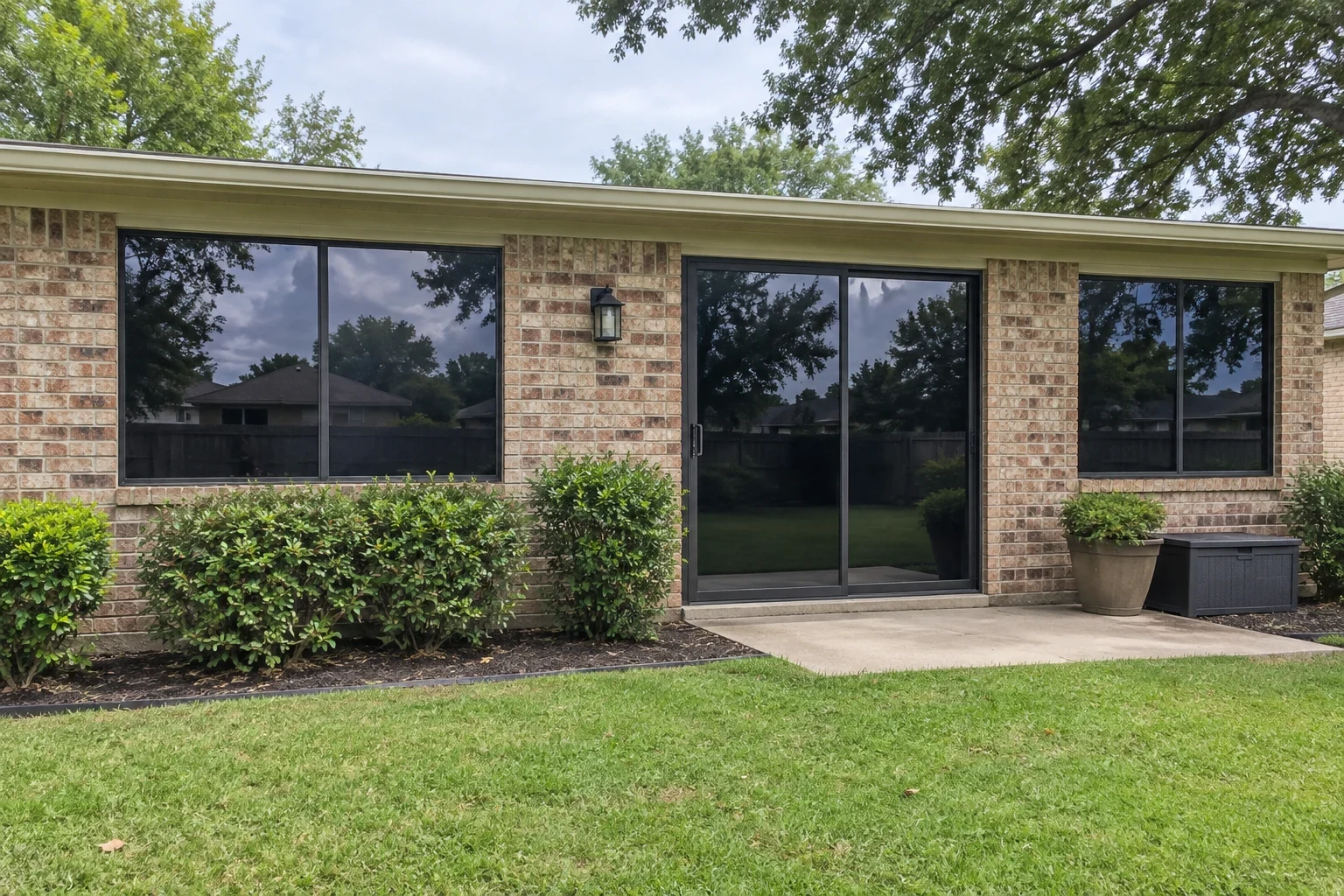
See the right film on your own glass
Let us know which rooms get too hot or too bright. We will check the glass, hold samples up in your actual light and hand you a written price for each window.