ServicesReflective Window Film
Reflective Window Film in Friendswood
Reflective film carries a thin metal layer that bounces solar heat back outside instead of soaking it up in the glass. We match the film to your glass type and window exposure, so hot rooms cool down and the glass stays safe.
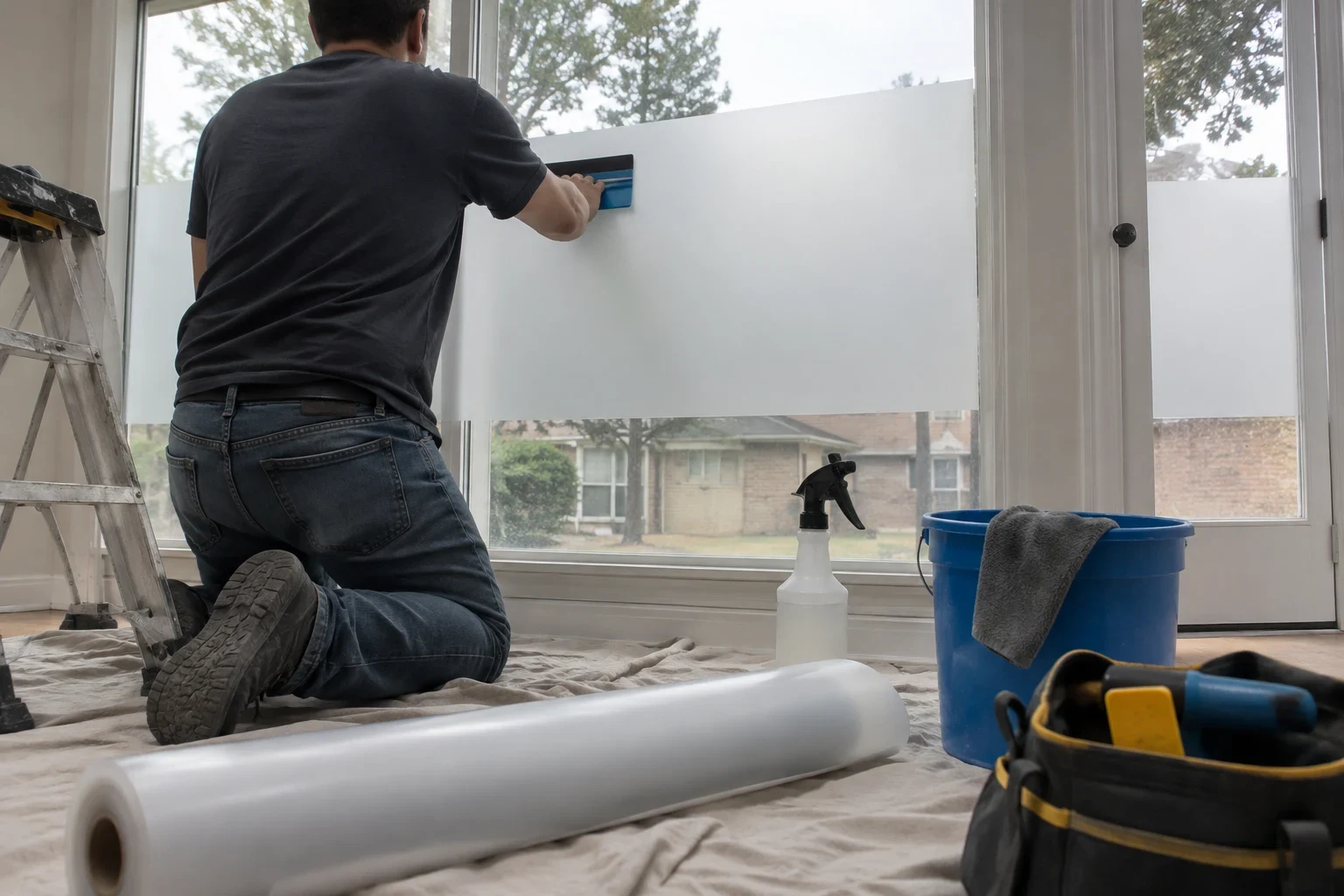
How reflective film keeps heat out
Most window tint works by absorbing sunlight. Reflective film works differently. A layer of sputtered or vapor-deposited metal, usually aluminum, nickel-chrome or stainless steel, sits between polyester layers and reflects a large share of the infrared and visible light that hits it. Heat that never enters the room never has to be removed by your air conditioner.
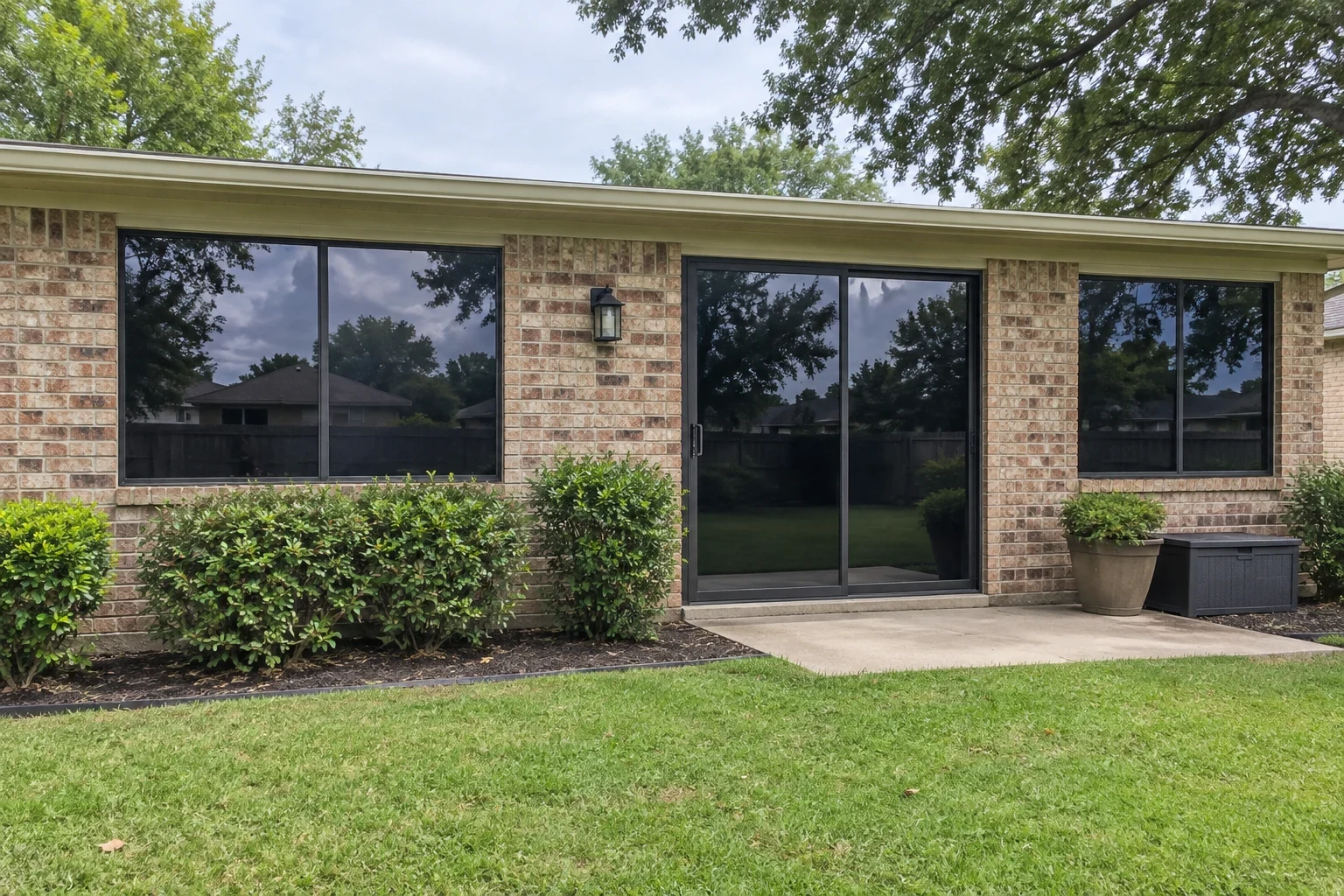
That is why reflective film is often the strongest choice for heat rejection on windows that take direct afternoon sun. On a Gulf Coast summer day, a west-facing bedroom or a sunroom with a wall of glass can run several degrees warmer than the rest of the house. A mirrored film turns much of that load away at the glass surface.
It has tradeoffs, and we explain them up front. The outside looks silver or bronze, the effect reverses at night when your lights are on, and some HOAs limit mirrored exteriors. If those are deal breakers, our ceramic window film or non-reflective window film may suit you better.
What the job includes
Glass and exposure check
We sort every pane by how it is built: single or insulated, tempered or annealed, low-E coated or plain. We also note which way it faces. Because mirrored film raises the temperature of the glass, this survey decides which film each window can take without added stress.
Film shade selection
Reflective films range from a light silver to very dark. We hold samples against your own glass so you can judge the daytime mirror look and the view out before you pick one.
Frame and gasket prep
We razor-scrape the glass, clean along the gasket edges and clear dust that would show as specks under metallized film. A mirrored finish shows flaws more than clear film does, so we give prep the time it needs.
Precision trimming
Every panel is cut so a narrow, consistent margin stays open between the film edge and the frame. Glass grows slightly as it heats in afternoon sun, and that margin keeps the edge from being pushed up and peeling.
Cleanup and care notes
We wipe the sills, collect the trimmings and let you know how long to wait before washing the glass. You also get clear guidance on which cleaners are safe on metallized film.
Signs reflective film is the right call
One room is always hotter
If a room with west or south glass stays warm long after the thermostat is satisfied, solar gain through the windows is the likely cause.
Glare off screens and floors
Bright afternoon sun washing out a TV or bouncing off tile floors is light that reflective film cuts sharply.
Fading furniture and floors
Sun-bleached rugs, hardwood and upholstery near windows point to UV and visible light exposure. Reflective film blocks most UV and reduces the visible light that also drives fading.
You want daytime privacy
Neighbors or passersby can see in during the day. The mirrored face makes it hard to see inside while it is brighter outdoors.
Cooling bills spike in summer
A big jump between spring and July bills often traces back to glass. Cutting the heat at the window is a direct route to energy savings.
How the install day runs
- 1
Free consultation
We talk through the rooms, the window exposures and your goals on the phone, then set a time to look at the glass and bring samples.
- 2
Protect the room
We move what needs moving away from the windows and lay drop cloths over sills and floors. Our slip solution is mostly water, but we keep it off your floors.
- 3
Clean, apply and squeegee
Glass is cleaned, film is laid wet, then squeegeed from the center out to push water and air to the edges. Most rooms are done in a few hours.
- 4
Curing
Small haze or water pockets are normal for the first days and clear as moisture escapes through the film. In humid weather this can take a few weeks, so we ask you to leave the glass alone until then.
What moves the price
The cost of reflective film comes down to two things: how much glass you want covered and how much work it takes to reach and prep each pane. We look at the windows in person first, then give you a written, line-item estimate. If prep turns up something that changes the scope, like old film hiding on a pane, we tell you before any extra work starts.
- Square footage of glass
- Film and labor both grow with the amount of glass you cover, so two bedroom windows and a full sunroom wall price out very differently. On bigger jobs, setup and travel get spread over more panes.
- Film grade and metal type
- Sputtered films built with nickel-chrome or stainless steel layers cost more than basic aluminized film. In return they keep their color longer and stand up better to corrosion in humid air.
- Access and window height
- Transoms above a staircase, two-story foyer glass and tall sunroom panes call for ladders or scaffolding. That adds setup and install time.
- Glass condition
- Leftover adhesive, scratches or a failed earlier film have to come off before new film goes on. Removal is extra labor, and we price it separately so you can see it.
Reflective window film questions
Something not covered here? (281) 549-2845
Will people still see in at night?
Yes. The mirror effect depends on which side is brighter. After dark with lights on inside, your room becomes the bright side and people outside can see in. Blinds or curtains handle nighttime privacy, or our privacy window tinting covers frosted options.
Can reflective film crack my double-pane windows?
The risk is real when a film is mismatched to the glass behind it. Because a mirrored film bounces heat back through the pane, the inner glass absorbs more and runs hotter, and sealed dual-pane and low-E units handle that added stress less well than a single pane. Before we recommend anything, we compare each window against the film maker's compatibility guidance. Where the margin is thin, we suggest a lighter reflective shade or a different film type.
Does it affect phone signal inside?
Metallized film can weaken cell reception a little, especially if you already get a weak signal. Most homes notice no change. If reception is a concern, ceramic window film has no metal and avoids the issue.
Will my HOA allow mirrored windows?
Some Friendswood-area HOAs have rules about exterior window appearance, and mirrored film is the type most likely to be restricted. Check your deed restrictions before you commit. We can bring samples so you can show the board exactly how it will look.
How long have you been doing this?
We have 8 years in business and 16,412+ commercial tint jobs completed, much of it reflective film on storefronts and office glass. The same careful prep and trimming carries over to homes.
Find out which windows need reflective film
Tell us which rooms run hot and which way they face. We will tell you whether reflective film fits your glass, or if another film would do the job better.